Learning Outcomes
i. Identify the causes and sources of air, water, and land pollution.
ii. Understand the main pollutants involved in degrading environmental quality.
iii. Discuss the impact of these pollutants on environmental health and human well-being.
i. Causes of Air Pollution
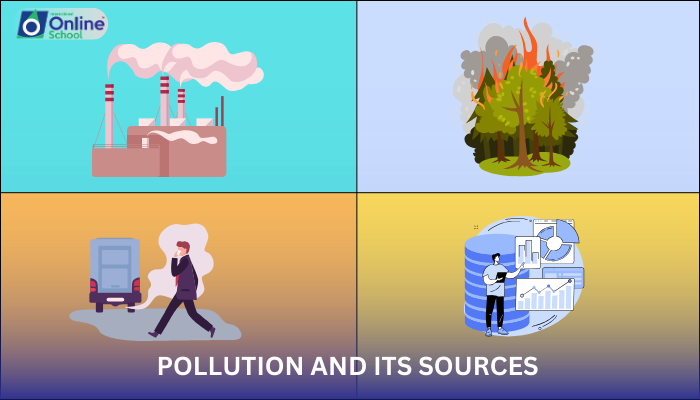
Air pollution is caused by the release of pollutants into the atmosphere that are harmful to human health and the planet. Major sources include:
Industrial Emissions: Factories emit pollutants such as sulfur dioxide, nitrogen oxides, particulate matter, and volatile organic compounds (VOCs).
Vehicle Emissions: Cars, trucks, and buses produce carbon monoxide, nitrogen oxides, particulate matter, and hydrocarbons.
Agricultural Activities: These contribute methane and ammonia to the atmosphere.
Fossil Fuel Combustion: Burning coal, oil, and natural gas for energy releases carbon dioxide and other pollutants.
Deforestation and Biomass Burning: These activities release carbon dioxide, carbon monoxide, and smoke into the air.
ii. Causes of Water Pollution
Water pollution occurs when harmful substances contaminate water bodies. It can stem from:
Industrial Waste: Factories discharge chemicals and heated water that can lead to toxic environments for aquatic life.
Sewage and Wastewater: Untreated or inadequately treated sewage adds pathogens and nutrients to water, leading to eutrophication.
Agricultural Runoff: Pesticides, fertilizers, and animal waste wash into streams and rivers, causing nutrient pollution and harming aquatic ecosystems.
Oil Spills: These can have devastating effects on marine and coastal environments.
iii. Causes of Land Pollution
Land pollution involves the degradation of the Earth's land surfaces, often directly or indirectly as a result of human activities. Sources include:
Solid Waste Disposal: Improper disposal and management of solid waste, including plastics, metals, and paper, can lead to land contamination.
Industrial and Chemical Waste: Hazardous waste from industries can contaminate soil.
Mining Activities: These can strip the land, increase erosion, and introduce pollutants into the soil.
Agricultural Chemicals: Overuse of fertilizers and pesticides can degrade soil quality and pollute groundwater.
iv. Main Pollutants and Their Origins
The main pollutants include:
Particulate Matter (PM): Tiny particles that can penetrate deep into the lungs and bloodstream.
Nutrients (Nitrogen and Phosphorus): Excess nutrients from agriculture and wastewater can lead to algal blooms and dead zones in water bodies.
Heavy Metals (Mercury, Lead, Arsenic): These can accumulate in the food chain and have harmful effects on health.
Plastics: Plastics degrade slowly, releasing toxins and causing physical harm to wildlife.
v. Impact on Environmental Quality and Health
Pollution can have serious implications for environmental quality and health:
Health Risks: Air pollution is linked to respiratory diseases, heart disease, and cancer. Water pollution can cause gastrointestinal illnesses and neurological disorders.
Ecosystem Damage: Pollution can reduce biodiversity, disrupt food chains, and lead to the loss of ecosystem services.
Economic Costs: Cleaning up pollution and treating health conditions caused by pollution can be expensive.
In conclusion, pollution arises from a variety of human activities and has significant impacts on air, water, and land quality. The main pollutants—ranging from particulate matter to heavy metals—have diverse origins and can lead to severe degradation of the environment and human health. Addressing pollution requires a comprehensive approach that includes regulation, innovation, and changes in behavior at both the individual and societal levels.
